The Distinctions Between Anxiety And Prompt Incontinence: Urology Center Of Florida: Urologists
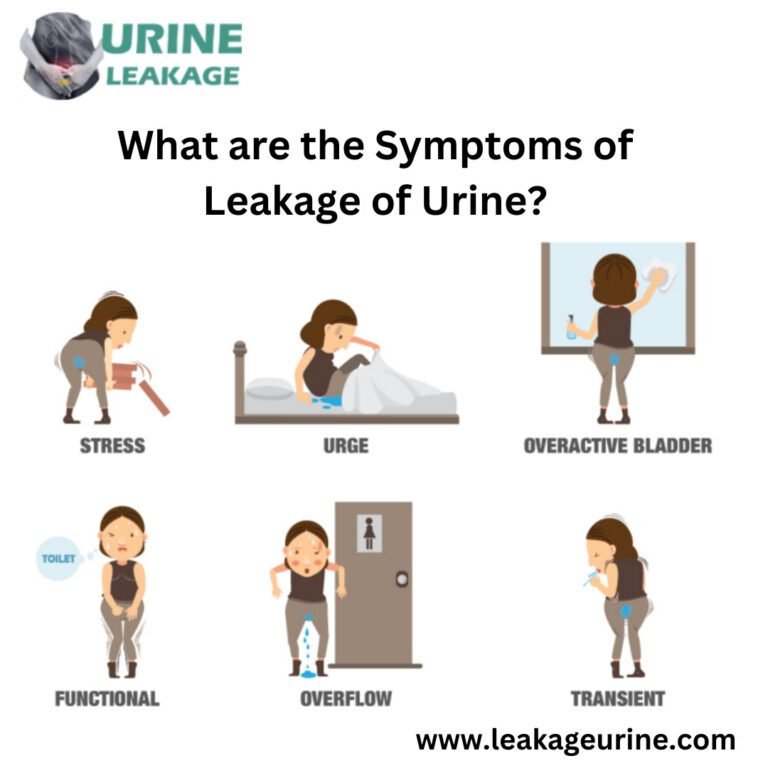
Urinary System Incontinence An additional a lot more typical differential medical diagnosis can be over active bladder syndrome (OAB). Although urge urinary incontinence and OAB are usually utilized interchangeably, most OAB situations do not have any type of urinary incontinence symptoms. Various other conditions, such as diabetic issues mellitus, recurring UTI, and neurological diseases, can likewise be consisted of in the differential diagnosis for desire urinary incontinence. They might recommend tests or refer you to a professional in this sort of trouble. This is Click for source when problems that affect your cognitive capabilities (such as mental deterioration) or that reason physical issues (such as arthritis) avoid you from getting to the bathroom in time. If you can't clear your bladder, you might have overflow urinary incontinence. It is usually caused by an over active bladder muscle mass or nerve damage that impacts bladder control. You may likewise experience the experience of requiring to urinate, however not requiring to. Prompt urinary incontinence is not foreseeable, indicating it takes place randomly and does not normally have an activating occasion.
Is Bladder Leakage A Typical Component Of Aging?
The diagnosis of impulse incontinence varies from person to person, and for this reason, treatment strategies must ideally be embellished after discussion with the person. While behavior modification and medicines have promising cause more youthful individuals, the neuromodulation choices ought to be considered early in the formula for the older grown-up population. According to the American Urological Association, the efficiency of therapy guidelines and diagnosis of desire urinary incontinence depends on lots of elements associated with the patient's age and comorbid problems. Frailty, practical and cognitive impairment, family and caregiver assistance, and comorbid problems play pivotal roles in an individual's engagement in behavior modifications. One of the most common combinations are urge with stress urinary incontinence and urge or anxiety with functional incontinence. Physicians sometimes suggest medications (or inject Botox in the bladder) that obstruct the contractions of an over active bladder. Electric excitement of the bladder nerves helps in some cases. Surgical treatment to raise the amount of pee your bladder can hold is an option, but this is just for serious cases. Vaginal inserts can provide added support for the bladder and nearby organs.Hop On The Course To Far Better Health And Wellness
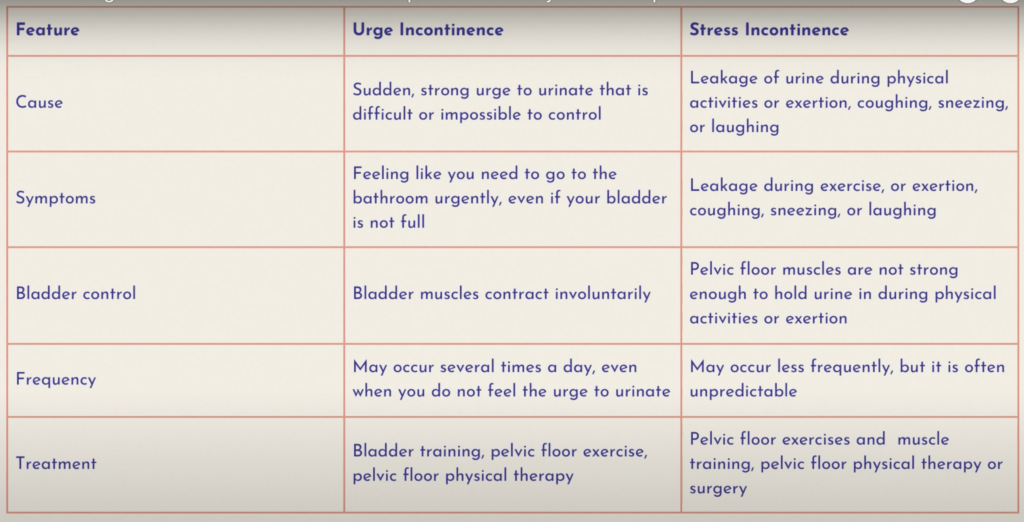
Numerous treatments are offered Autologous fascial sling to boost stress urinary incontinence. These consist of Kegel workouts, pelvic flooring treatment, and minimally intrusive surgical procedures that might be up to 85-95% effective. The use of antimuscarinic agents in older people with cognitive impairment and mental deterioration could result in more worsening of dementia and Alzheimer illness. Coexisting medicines with anticholinergic residential properties, such as medicines for parkinsonism, donepezil, anti-nausea drugs, and sedatives, result in inadequate prognosis.- Both OAB and urge urinary incontinence can interfere with an individual's life and need them to plan their tasks around accessibility to a bathroom, however both problems are treatable.
- Suburethral slings, shot of periurethral bulking representatives, or surgical insertion of a fabricated sphincter is made use of to deal with sphincter shortage.
- When bladder pressure is higher than the urethral pressure, leakage of urine may happen.
- It is typically brought on by weak pelvic floor muscles or a weakened urethral sphincter.
- Although some cases are not as straight as others, effective treatment depends upon an understanding of the medical diagnosis and giving a proper assessment with suitable tests that guide the most effective type of therapy.
How do you know if you have anxiety or urge urinary incontinence?
stress and anxiety urinary incontinence & #x 2013; when pee leaks out sometimes when your bladder is under pressure; for instance, when you cough or laugh. impulse (necessity) incontinence & #x 2013; when pee leaks as you feel a sudden, intense desire to pee, or quickly later on.